
Description
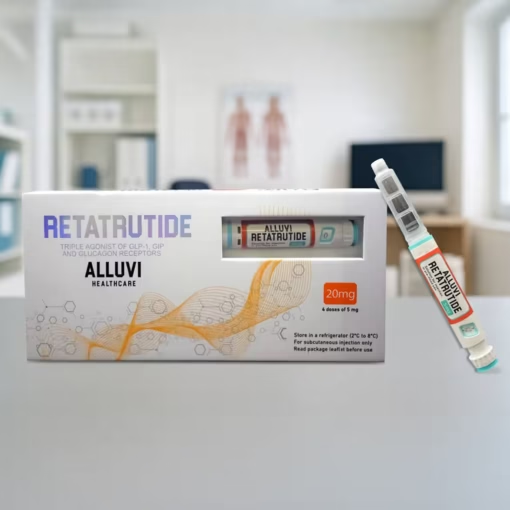
Retatrutide 20 mg is an investigational medication developed by Eli Lilly. It is designed as a once-weekly subcutaneous injection targeting three key receptors involved in metabolism:
-
GLP-1 (Glucagon-Like Peptide-1): Enhances insulin secretion and suppresses appetite.
-
GIP (Gastric Inhibitory Polypeptide): Improves insulin sensitivity.
-
Glucagon: Increases energy expenditure and fat oxidation.
By activating these three pathways, Retatrutide aims to provide a comprehensive approach to managing obesity and type 2 diabetes.
Clinical Trial Results
In Phase 2 clinical trials, Retatrutide was administered in various dosages, including 1 mg, 4 mg, 8 mg, and 12 mg. The highest dose tested was 12 mg, which resulted in:
-
Up to 24.2% mean body weight reduction over 48 weeks.
-
Significant improvements in liver fat content, with reductions of up to 86% in participants with metabolic dysfunction-associated steatotic liver disease.
-
Enhanced glucose control, with HbA1c reductions of up to 2.0% in participants with type 2 diabetes.
-
A well-tolerated safety profile, with gastrointestinal side effects being the most common, primarily during dose escalation.
Dosage and Administration
-
Formulation: Prefilled pen for once-weekly subcutaneous injection.
-
Titration Schedule: Typically starts at 1 mg per week, with gradual increases to 2 mg, 4 mg, 8 mg, and up to 12 mg, depending on individual tolerance and response.
-
Maintenance Dose: The optimal maintenance dose is still under investigation, with ongoing studies exploring the efficacy and safety of higher doses.
Potential Benefits
-
Significant weight loss in individuals with obesity and type 2 diabetes.
-
Improved glucose control and insulin sensitivity.
-
Reduction in liver fat content, beneficial for individuals with non-alcoholic fatty liver disease (NAFLD).
-
Enhanced energy expenditure due to glucagon receptor activation.
Retatrutide 20 mg Side Effects
-
Gastrointestinal issues: Nausea, vomiting, and diarrhea, especially during dose escalation.
-
Injection site reactions: Redness or swelling at the injection site.
-
Headache and fatigue: Reported by some participants.
-
No serious safety concerns were identified in the Phase 2 trials.

Reviews
There are no reviews yet.